THRILLGROUNDS Before you book · CanyoningDeutsch
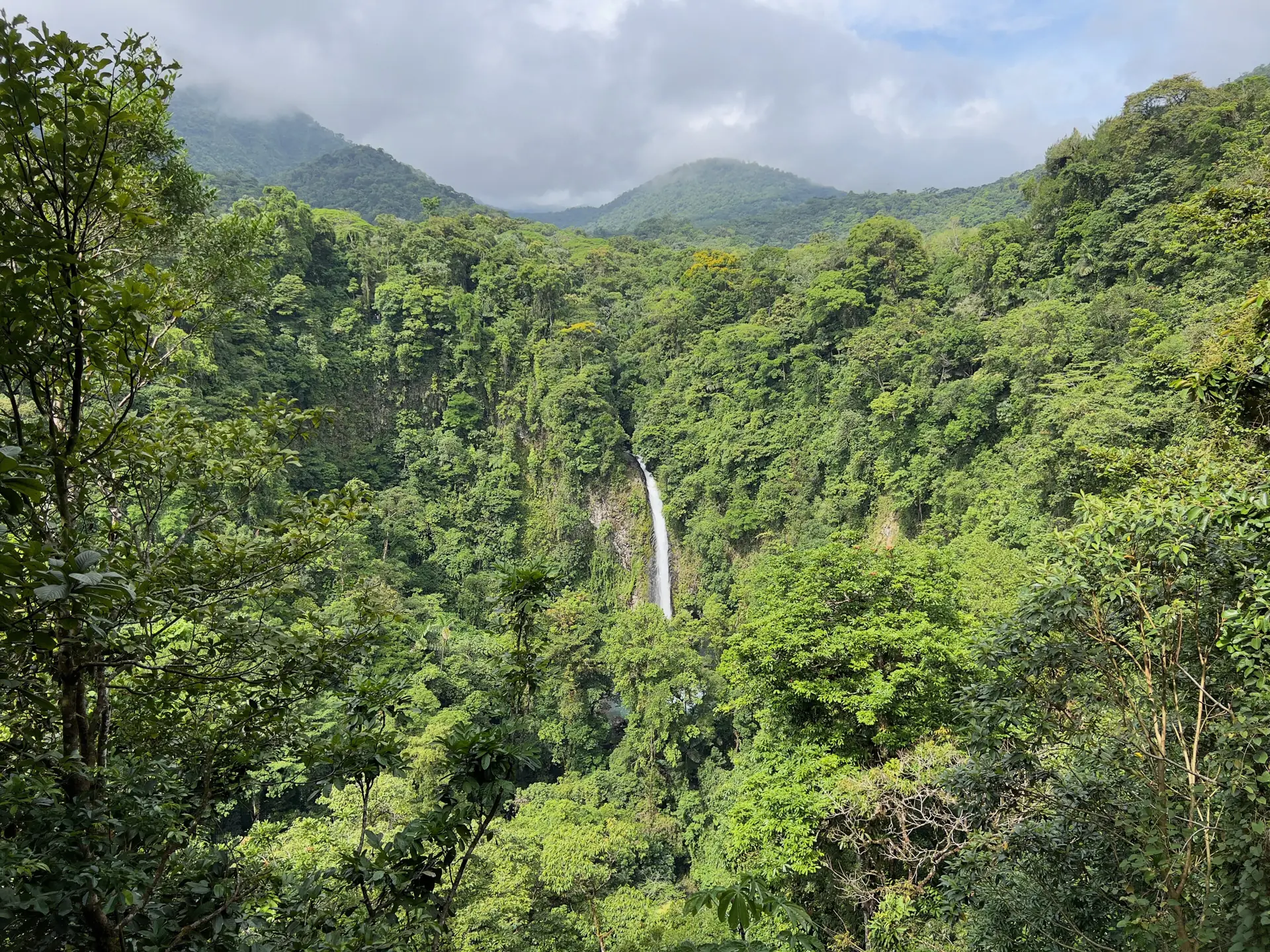
La Fortuna waterfall dropping into a jungle pool

Guide · 11 canyons · 10 grounds · operators' own rules

Canyoning: minimum age, weight limit, cost and safety

The rope is the easy part.
The water decides the day.

Canyoning is rappelling, jumping and sliding down a streambed in a wetsuit, and its rules are gentler than they look: children from 6 or 8, non-swimmers welcome, jumps always optional. Its one real danger is also gentler than it looks until it isn't – a storm upstream. This guide lists the operators' rules at every canyon on our grounds, what a trip costs, and the safety record of the country that wrote the rules after the worst accident in the sport's history.

Who can go

Operators' own limits on 11 grounds

Limits are about the harness and the wetsuit, not the rappel: minimum weights of 25–40 kg and heights of 120–140 cm so the gear fits, maximums of 100–125 kg for the same reason. Ages start at 6–8 on beginner canyons (Madeira, Rio Nero, Lost Canyon, Sušec), 10 on the big single rappels (Table Mountain, Batoka, Morning Glory), 12 in Bali and 16 for kloofing at Suicide Gorge, where a 7-m jump is compulsory. Everywhere else, jumps are optional and every guide has a rope alternative. Swimming is not required at most operators – Epic Madeira's answer is a flat “YES!” to non-swimmers – because you wear a wetsuit and, on water canyons, a buoyancy aid.

GroundStopWeightAgeAlso
Costa RicaCanyoning · La Fortunaup to 220 lb / 100 kg8–65200-ft rappel; jumps optional
BelizeSinkhole rappel · Actun Loch Tunich, Caves Branch–10+90-min steep hike in
BelizeWaterfall rappel · Bocawina, Stann Creekmin. 80 lb; harness waist up to 42 inabout 8–70; min. height 4′6″250 ft in two stages
Cape TownAbseil · Table Mountain, from the upper station40–120 kg; lighter in tandem10+112 m, part free-hanging
Cape TownKloofing · Suicide Gorge, Hottentots Holland–16+1 Nov to 30 Apr; the 7-m jump is compulsory
MadeiraCanyoning · Ribeira das Cales25–115 kg; min. 125 cmfrom 6, by sizenon-swimmers welcome; jumps optional
Lake Garda & the DolomitesCanyoning · Rio Nero, Palvico, Vione – Ledro valley & Tignalefrom about 40 kg8+ and 120 cm; 12+ on the long routejumps never compulsory
Soča Valley & BledCanyoningup to 125 kg8–10 by operator; min. 140 cm12-m slide
BaliCanyoning · Gitgit, North Bali–12+20-m rappel
Moab & Southern UtahRappelling · Morning Glory, Negro Bill Canyon–10+two 100-ft rappels
Victoria FallsAbseil · Batoka Gorge, Zimbabwe sidemust fit the harness10+; under 14 with an adult110 m into the Batoka Gorge

What it costs

Cheapest bookable offer per ground, as retrieved Sept 25, 2026

Beginner canyoning costs €62–99 in Europe (Sušec, Rio Nero, Madeira) and $85–130 in Costa Rica, Bali and at Victoria Falls. The long, single-rappel spectaculars – Table Mountain, Bocawina, Morning Glory – run $70–300. Wetsuit, helmet, harness and shoes are included; on the Lost Canyon so is lunch.

How dangerous is it

Canyoning's safety story has a date: 27 July 1999, Saxetenbach near Interlaken, 21 dead when a storm upstream sent a flash flood through a guided group. Switzerland responded with the toughest regime in the sport – a federal law on risk activities in force since 2014, mandatory certification (“Safety in Adventures”, now an ISO scheme) with annual audits – and its record since is the best-documented anywhere: 12 deaths in the 18 years from 2000 to 2017, 11 of them drownings, three tourists and nine residents. The Swiss accident-prevention council's target of no more than five deaths per ten million hours of activity has been met in recent years. The lesson is in the word “drownings”: the rope work is not what kills; water is. A certified operator checks the forecast and the catchment before every descent and cancels when a cell builds – which is why a cancelled canyon in the Alps is the system working.

21dead at Saxetenbach · 27 July 1999

A flash flood hit a guided group of 44 travellers and eight guides in the gorge above Interlaken – the accident that produced the Swiss risk-activities law and the Safety in Adventures label.

Source: swissinfo.ch

≤ 5deaths per ten million activity hours · Swiss target

Set by the Swiss Council for Accident Prevention and “reached in recent years”; certified operators pay CHF 1,500–2,000 a year for the audits.

Source: swissinfo.ch

What to wear

Source: Epic Madeira, FAQ

First time

Before you go

What is the minimum age for canyoning?

6–8 on beginner canyons (Epic Madeira from 6 by size, Rio Nero and the Lost Canyon from 8, Sušec 8–10 by operator), 10 on the big single rappels at Table Mountain, the Batoka Gorge and Morning Glory, 12 in Bali, 16 for kloofing at Suicide Gorge. Height minimums of 120–140 cm are common so the wetsuit and harness fit.

Is there a weight limit for canyoning?

Bands like 25–115 kg (Madeira), 40–120 kg (Table Mountain abseil), up to 100 kg (Lost Canyon) or 125 kg (Sušec) – set by wetsuit and harness sizes. Very light children rappel in tandem with a guide at some sites.

Do I need to be able to swim?

Not at most operators: you wear a wetsuit, on water canyons a buoyancy aid, and the guide ropes the swims where needed. Epic Madeira's FAQ answers non-swimmers with a plain yes. On the Cape Town kloofing route swimming is essential.

How much does canyoning cost?

€62–99 for beginner canyons in the Alps, Slovenia and Madeira; $85–130 in Costa Rica, Bali and Zimbabwe; $70–300 for the single big rappels. All gear is included. See the price table above.

How dangerous is canyoning?

The risk is water, not rope. Switzerland – which regulated the sport after 21 people died in a flash flood at Saxetenbach in 1999 – recorded 12 canyoning deaths in the following 18 years, 11 of them drownings, and now meets its target of at most five deaths per ten million activity hours. The practical rule: a certified operator who reads the forecast for the whole catchment and cancels when it builds.

Are the jumps compulsory?

No – everywhere on our grounds except kloofing at Suicide Gorge, where a 7-m jump is part of the route and the operator says so. Guides carry a rope alternative for every other jump.